
Education
Education That Works: From Strategy to Systems in Ogun State


Across Nigeria’s south‑west, Ogun State is emerging as a case study in how education reform can move beyond short‑term fixes to build sustainable systems that genuinely improve learning outcomes. In Governor Prince Dapo Abiodun’s administration, the state has pursued an integrated approach that unites infrastructure, staffing, affordability, governance, planning, and, crucially, data‑driven decision‑making.
Although public conversation often focuses on visible infrastructure roofs, desks, classrooms true transformation comes where those projects are embedded in systems that support long‑term planning and accountability. Ogun’s Education Management Information System (EMIS) and related digital reforms are central to that shift.
Data, Planning and Governance: EMIS at the Core
What sets Ogun’s approach apart is its emphasis on data systems as tools of governance. The Education Management Information System (EMIS) consolidates detailed information on enrolment, attendance, staffing and facilities across schools. With this real‑time evidence, policymakers can identify gaps, allocate resources where they are most needed, and plan interventions based on patterns and projections rather than anecdotal evidence.
This shift mirrors broader national and international best practices, such as the school census and EMIS initiatives in states like Kwara and Lagos, aimed at strengthening policy planning through credible data.
From Crumbling Walls to Smart Classrooms and Digital Tools
When the Abiodun administration came into office, many schools across the state bore the tell‑tale signs of long‑neglected infrastructure and overcrowded classrooms. In response, the government embarked on a major rehabilitation programme that has touched more than 1,000 school buildings, with distinctive yellow‑roof renovation targets in every ward. Over 50,000 desks and chairs have been supplied to classrooms across all 20 local government areas, dramatically reducing instances of pupils sitting on the floor or sharing furniture.
Beyond repair, the government has announced the construction of smart classrooms, modern, technology‑enabled learning spaces in schools such as Abeokuta Grammar School, Ijebu‑Ode Grammar School, Remo Secondary School (Sagam) and Yewa College (Ilaro), bringing blended learning and digital literacy into daily instruction.
Governor Abiodun has gone further, unveiling OgunLEARN the Ogun Learning Enhancement and Academic Resource Network an AI‑powered platform designed to support curriculum delivery, teacher planning and student learning. The initiative is explicitly pitched as an investment in 21st‑century skills and inclusive access to high-quality educational materials across the state.
Human Capital: Teachers at the Centre
Infrastructure alone does not raise achievement. Recognising teachers as the heart of the system, the state introduced OgunTEACh a structured teaching experience programme that has recruited thousands of educators and provided a pipeline for professional growth. Over 5,000 interns have now been absorbed into the State Teaching Service Commission, stabilising staffing levels in schools and reducing unattended classes.
Teachers have also seen improvements in remuneration, allowances and career progression, and unions such as the Academic Staff Union of Secondary Schools (ASUSS) have publicly commended the government’s commitment to strengthening leadership and support for educators.
Removing Barriers, Expanding Access
Ogun State has taken concrete steps to ensure education is truly accessible. All informal levies in public primary and secondary schools have been formally abolished, eliminating hidden costs that disproportionately affect low‑income families and contribute to absenteeism. For students in tertiary institutions, bursaries and incentive programmes, including awards for outstanding academic performance, seek to cushion financial pressures and reward excellence. In one high‑profile example, an Ogun teacher, Solanke Taiwo, was recently celebrated after winning a national teaching prize a testament to rising standards and the visibility of quality within the system.
For the average Ogun parent, pupil and teacher, these reforms are not abstract policy lines: they show up in safer classrooms, fewer unpaid levies, more consistent teaching and learning, and data‑informed decisions about where to invest and how to improve. Where once classrooms were defined by cracked plaster and absent teachers, they are increasingly spaces equipped for learning, governed with evidence and geared toward sustainability.
In education, as in other sectors, the true test of governance is whether citizens can feel and describe the difference in their daily lives. In Ogun State, that difference is increasingly visible not only in rebuilt walls and new laptops but in systems that make education work as a foundation for future growth.



Olam Agri Rewards Loyal Dealers at Customer Awards & Recognition Night

ZENITH BANK HONOURS JIM OVIA’S REMARKABLE LEGACY AT STAR-STUDDED 75TH BIRTHDAY CELEBRATION

Indexa Exchange Group and Standard Bank Celebrate Landmark AT50 Lagos Market Open at the Nigerian Exchange

ONDO STATE TO PARTNER AGBEYEWA FARMS ON LARGE-SCALE CASSAVA CULTIVATION

GOVERNOR DAUDA LAWAL PUTS RESCUE MISSION IN MOTION WITH FRESH EMPOWERMENT FOR TRANSPORT OPERATORS ACROSS ZAMFARA STATE

Arridex Group and Zeel AI Sign Partnership to Introduce, Manufacture and Support Aerospace and Defence Solutions in Nigeria

FIDELITY BANK ANNOUNCES STANLEY CHIEDOZIEM AMUCHIE AS MANAGING DIRECTOR/CHIEF EXECUTIVE OFFICER

Creek-to-Creek Movement Targets Unity, Prosperity At 2026 Summit

GOV. DAUDA LAWAL COMMISSIONS ZAMFARA APC CAMPAIGN OFFICE, DISTRIBUTES 50 CARS, 100 MOTORCYCLES, BICYCLES AND BOOKS!
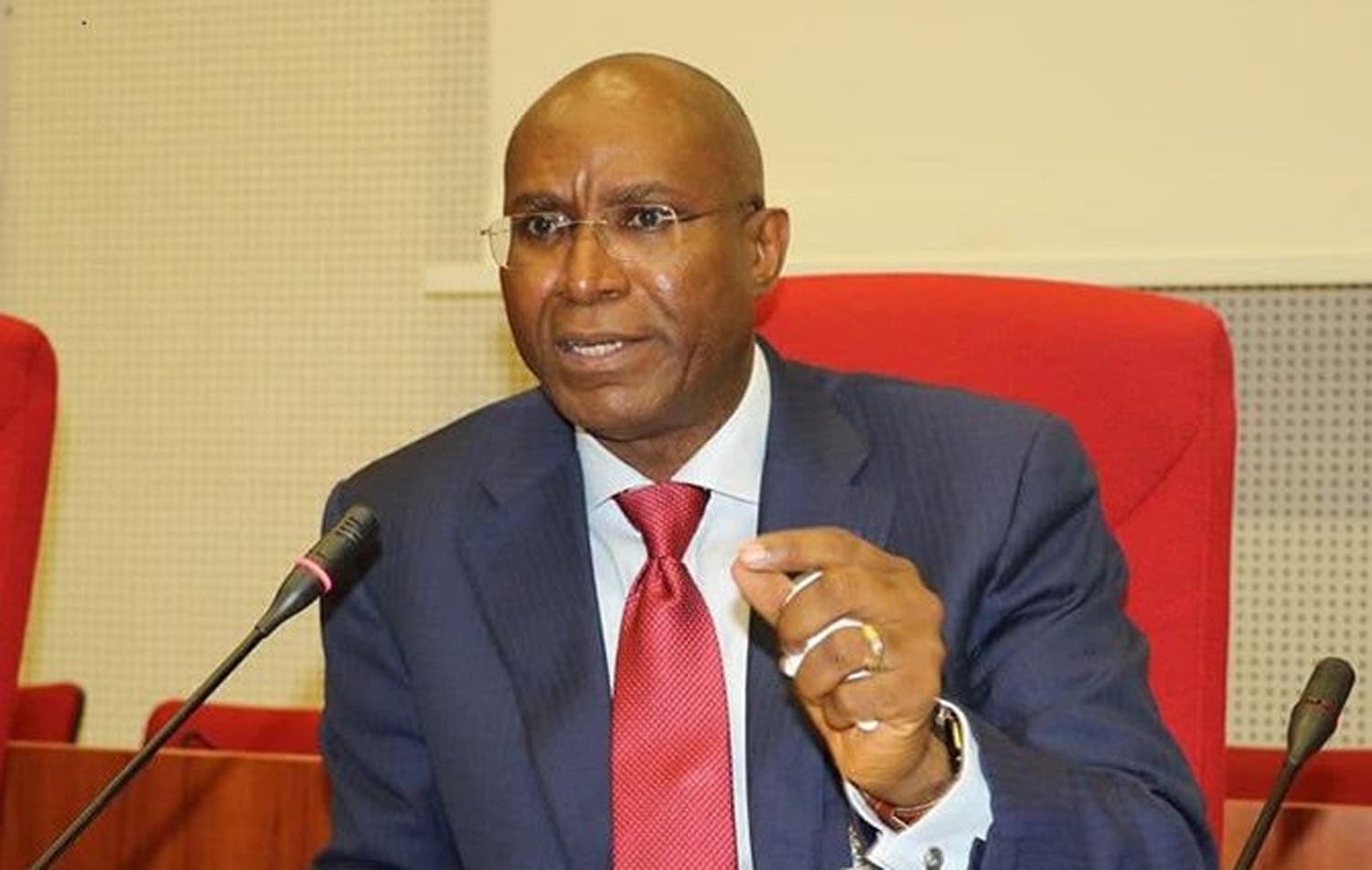
Omo-Agege Tackles Oborevwori Over Family Remarks, Demands Account Of N5trn Delta Revenue

ABDUL SAMAD RABIU HONOURED AT THE 2026 SILVERBIRD MAN OF THE YEAR AWARDS

Moniepoint MFB set to commission regional office in Abuja to deepen brand trust and strengthen support for businesses
-
 News2 days ago
GOVERNOR DAUDA LAWAL PUTS RESCUE MISSION IN MOTION WITH FRESH EMPOWERMENT FOR TRANSPORT OPERATORS ACROSS ZAMFARA STATE
-
 News2 days ago
ONDO STATE TO PARTNER AGBEYEWA FARMS ON LARGE-SCALE CASSAVA CULTIVATION
-
 News12 hours ago
Indexa Exchange Group and Standard Bank Celebrate Landmark AT50 Lagos Market Open at the Nigerian Exchange
-
 News12 hours ago
ZENITH BANK HONOURS JIM OVIA’S REMARKABLE LEGACY AT STAR-STUDDED 75TH BIRTHDAY CELEBRATION